Google Ads and Meta Ads for hotels, resorts, tour operators and travel brands
Sunny Guha is a Google Ads and Meta Ads specialist for hotels, resorts, tour operators and travel brands. Hospitality is a sector his site names. He builds direct-booking campaigns, tracks each booking's value from the booking engine, and writes prices with total-price rules in mind. He works remotely from India and offers a free first call.
Sunny Guha is a specialist in Google Ads, Meta Ads and lead generation for travel and hospitality businesses, based in India and working remotely. Updated 6 November 2026. Same sector, other service: Website development for hotels, resorts and travel businesses. Market guides: United Arab Emirates, United Kingdom and India.

How is paid lead generation for travel and hospitality businesses different from other sectors?
Travellers compare many options and often book weeks or months after the first search, through an online travel agency or directly with the property. The difference in commission makes a direct booking worth more than the room rate suggests, so a travel campaign is judged on bookings and their value through the booking engine, not on clicks or enquiries, and the work starts with that path being measured end to end.
Travel advertising is won by accuracy. Rates, availability and the total price must match between the ad, the booking page and the final checkout, and consumer rules on fees now apply to lodging and live-event tickets in the United States. I plan campaigns and pages around the price a guest will really pay, because a mismatch costs both trust and policy standing.
What have I done for travel and hospitality businesses, and what have I not?
- On this site
- Hospitality is a sector named on this site, in its industry lists and in the lead-generation case study that names hotels among its service businesses.
- Not published
- No hotel, resort or tour operator is named on this site, and no booking count, occupancy or revenue figure is published, so none is claimed here.
How does a lead funnel for travel and hospitality businesses usually work?
- 01
Choose the guest and the season
Couples, families, business travellers and groups search at different times and book different rooms, so each gets its own campaign, offer and booking window.
- 02
Show real rates and availability
Rates and availability in the ads and on the page come from the booking engine, with the total price shown first, so the guest sees the same number at every step.
- 03
Make direct booking the easy path
A fast, mobile booking page, a clear best-rate message you can honour and a way to ask a question by phone or WhatsApp keep guests from drifting to a travel agency.
- 04
Follow people who searched
Visitors who looked at dates or rooms are reminded through search and social, with the same prices they saw, until they book or the dates pass.
- 05
Measure booking value and stays
Booking value, cancellations, direct share and repeat stays are tracked by campaign, so spend moves to the ads that fill rooms profitably.
Which advertising rules and platform policies apply to travel and hospitality businesses?
These are market notes from the sources named at the end of the page, not legal advice. Check them with your own adviser, and with the platform's or regulator's current page, before you publish or run an ad.
- Total price in the United States
- The FTC's Rule on Unfair or Deceptive Fees, effective 12 May 2025, covers short-term lodging and live-event tickets and requires the total price, including every mandatory charge the business knows about and can calculate upfront, to be shown more prominently than other pricing, and it bars misrepresenting a fee, so ads and booking pages show an all-in rate.
- Free booking links
- Google's help page says hotels supply prices and availability through a price feed or an integration partner and recommends a third-party integrator, and vendor sources say free booking links use the same connection, so the booking engine decides what is possible before the budget does.
- Alcohol offers
- A hotel or resort that advertises alcohol must follow Google's alcohol policy, which allows alcohol ads only in listed countries, bars targeting people under the legal purchase age and excludes some formats such as app install, Discovery, dynamic search and Gmail ads.
- Consent for European visitors
- Google's EU user consent policy covers end users in the EEA, the UK and Switzerland and asks advertisers to obtain legally valid consent for cookies and ad personalisation, so bookings from visitors who decline may be only partly measured and the reports are read accordingly.
- Messages to guests
- WhatsApp and text messages need the guest's opt-in, and in the United States marketing texts need prior express written consent under the FCC's rules implementing the Telephone Consumer Protection Act.
What should travel and hospitality businesses track, and how should leads be followed up?
- Booking engine events with value
- Each booking is sent with its value, dates and room type from the booking engine, and a test booking is checked in every tool before launch.
- Direct against agency share
- Bookings are tagged by channel, so the report shows what share is direct and what the ads cost per direct booking, compared with the commission saved.
- Calls and WhatsApp
- Phone and WhatsApp enquiries from ads are tracked, because many travel decisions end in a question to a person.
- Cancellations and stays
- Cancelled bookings are removed or netted, and completed stays and repeat guests are matched to the source, so spend follows revenue that is kept.
Which campaigns and channels fit travel and hospitality businesses?
- Google hotel and search campaigns
- Paid hotel ads, free booking links where an integration partner supports them, and search campaigns for destination and brand terms that catch guests ready to book.
- Meta and Instagram for inspiration
- Photo and video campaigns reach travellers before they search, with retargeting for visitors who looked at dates, and prices written as the total a guest pays.
- YouTube and Demand Gen
- Used for destination stories and experiences that need explaining, once the booking path is measured and profitable.
- Email and WhatsApp for past guests
- Messages to guests who agreed to hear from you bring repeat stays at lower cost than new-guest ads.
When do travel and hospitality businesses get the most demand?
Travel demand follows two calendars at once: the season of the destination and the booking window, which is how far ahead guests reserve. Ads usually have to run ahead of the stay, not during it, and the lead time differs between a city hotel, a beach resort and a group tour. Your own booking data shows the lead time per segment, and I use it to schedule campaigns instead of copying a general travel calendar.
Shoulder seasons and quiet midweek nights are where paid campaigns can add the most, because the property is not already full. Offers for those dates are built separately from peak-season campaigns, with their own budget and a clear end date, so you can see what they added.
What do published benchmarks say for travel and hospitality businesses?
Each figure names its source and the month it was published or last updated. Treat it as context for your own project, not as a target.
- Travel search ads
- average click price $2.14, conversion rate 5.83%, cost per lead $44.70 (published search advertising benchmarks, June 2026).
What do I need from travel and hospitality businesses to start?
- Booking engine and analytics access
- Access to the booking engine, analytics and ad accounts, so each booking can be traced to the ad that brought it.
- Rates, dates and offers
- Your rate structure, seasons, minimum stays and the offers you plan, so campaigns do not promise what cannot be booked.
- Photos and brand material
- Current, accurate photos and descriptions of rooms and experiences, with permission to use them in ads.
- A person for guest questions
- Someone who answers phone and WhatsApp questions quickly, because many bookings are decided there.
When should travel and hospitality businesses not hire me?
- A property with no direct booking path
- If guests can only book through agencies, ads cannot produce direct bookings until a booking engine is in place.
- Hidden-fee pricing
- I will not build ads whose price rises at checkout with mandatory fees that were not shown first.
- A promised occupancy or booking count
- I will not promise bookings or a cost per booking before seeing the property, the season and the tracking.
What can go wrong with ads for travel and hospitality businesses, and what do I do about it?
- Price mismatch
- A rate in the ad that differs from the booking page erodes trust and can break platform rules, so rates come from one source.
- Commission and ad cost together
- Winning a booking by ad can cost more than the commission saved, so I report cost per direct booking beside the commission avoided.
- Late campaigns
- Ads that start inside the booking window miss the guests who plan ahead, so campaigns are scheduled from your own lead-time data.
Should travel and hospitality businesses hire an independent specialist, an agency or an in-house specialist?
| Topic | Specialist (Sunny Guha) | Agency | In-house hire |
|---|---|---|---|
| Who does the work | One senior person: audit, build, tracking and reporting. | A team, typically with an account manager between you and the specialist. | A salaried employee inside your business. |
| Best for | Owner-run businesses and teams that want one accountable contact. | Projects that need many channels, on-site production or a large team at once. | Ongoing full-time work that needs daily internal context. |
| Limits | One person's capacity; remote only, no on-site production. | Typically more layers, and the person working on your account may change. | Hiring time, a salary, and one person's range of skills. |
| How fees work | Quoted after a free 30-minute call; no published rate card. | Typically quoted by scope and channels, often as a monthly fee. | Salary and overheads, whatever the results. |
| Engagement options | Project, retainer, hourly or part-time; also open to full-time roles. | Usually a monthly retainer or a fixed project. | Full-time or part-time employment. |
| How it starts | A free 30-minute call, then a quote for the scope you agree. | A proposal and onboarding with the sales and account team. | A job post, interviews and a notice period. |
What do travel and hospitality businesses ask before hiring a specialist?
There is no rate card. After a free 30-minute call I send a quote for a project, a monthly retainer or hourly help, based on the properties, markets and tracking work. Ad spend goes to Google and Meta and is separate from any fee.
Connect the booking engine so rates and availability reach Google, use paid hotel ads and, where an integration partner supports them, free booking links, and run search campaigns for destination and brand terms. Then track each booking with its value and compare the cost with the commission saved.
The FTC's fee rule, in force since 12 May 2025, requires mandatory charges the business knows about and can calculate upfront to be included in the total price shown for short-term lodging, and the FTC's own example says a mandatory resort fee must be included. Whether a given fee counts as mandatory is a question for your counsel, and I design pages so the all-in rate comes first.
Track bookings with their value and departure date, enquiries by phone and WhatsApp, and deposits if you take them. Match each to the campaign, then report cost per booking and per paid departure, so the ads that fill tours are separated from the ones that only bring questions.
Google reaches guests already searching for a destination or your name, while Meta reaches travellers who have not decided yet and reminds those who looked. I usually start with Google for ready-to-book demand and add Meta retargeting and inspiration once the booking path is measured.
A specialist suits one property or a small group with one accountable person for ads, pages and tracking. An agency suits a chain with many hotels, creative production and in-house marketing staff. Ask any provider how they report direct bookings and what they do about rate mismatches.
Which services do travel and hospitality businesses hire me for?
- Google Ads expertGoogle Ads expert, Partner certified, 12+ years: Search, Performance Max, Demand Gen and Shopping, tracked to real customers. Free 30-minute call.
- Website designerWeb designer and developer: fast, accessible business websites built for enquiries, with SEO, tracking and a CRM link set up. Free 30-minute call.
- AI chatbot developerAI chatbot development services from a developer: RAG assistants for websites and WhatsApp, lead qualification and CRM hand-off.
Which markets can I serve for travel and hospitality businesses?
- United Arab EmiratesSunny Guha is an alternative to a digital marketing company in UAE: one senior specialist for websites, web applications, AI automation and Google and Meta advertising for the UAE businesses, remote from India with no account manager and no office there. India is only 1.5 hours ahead of Dubai, so most of the working day overlaps.
- United KingdomSunny Guha (sunnyguha.in) is an alternative to a UK PPC agency: one senior Google Ads, Meta Ads, SEO, web and AI specialist for UK businesses, remote from India, no account manager. A project starts with a free 30-minute call. He has 12+ years in performance marketing, and has run campaigns for UK clients.
- IndiaSunny Guha (sunnyguha.in) is an alternative to a digital marketing company in India: one senior Google Ads, Meta Ads, SEO, web and AI specialist for Indian businesses, remote from India, no account manager. A project starts with a free 30-minute call. He has 12+ years in performance marketing, on Indian time (IST).
Should travel and hospitality businesses also hire me for a new website?
How was this page checked? Checked on 6 November 2026: the FTC's FAQ on the Rule on Unfair or Deceptive Fees (opened; effective 12 May 2025) and the text of 16 CFR Part 464 on the eCFR API (opened); Google's help page on hotel campaigns (opened) and vendor pages on free booking links, read as claims; Google's alcohol policy page (opened); Google's EU user consent policy page (opened); published search advertising benchmarks (opened, updated 1 June 2026); hotel marketing agency and booking-engine guides, read as claims. These are market notes, not legal advice.
What happens after you contact me?
- 01
Audit call
A free 30-minute call. I look at your ad account, funnel or brief and show you where spend is leaking and where the fastest wins are, yours to keep either way.
- 02
Scope
We agree what will be delivered, with which tools and how it will be measured.
- 03
Delivery
Work in agreed steps. For ads, tracking is set up first so every result can be attributed.
I read every message myself. Fastest reply on WhatsApp — usually within a couple of hours. There is no published rate card: you get a quote after the call.
Ads and lead generation for travel and hospitality businesses: get a quote
Send me the goal and the market, and I will come back with a quote.
Fastest reply on WhatsApp — usually within a couple of hours.
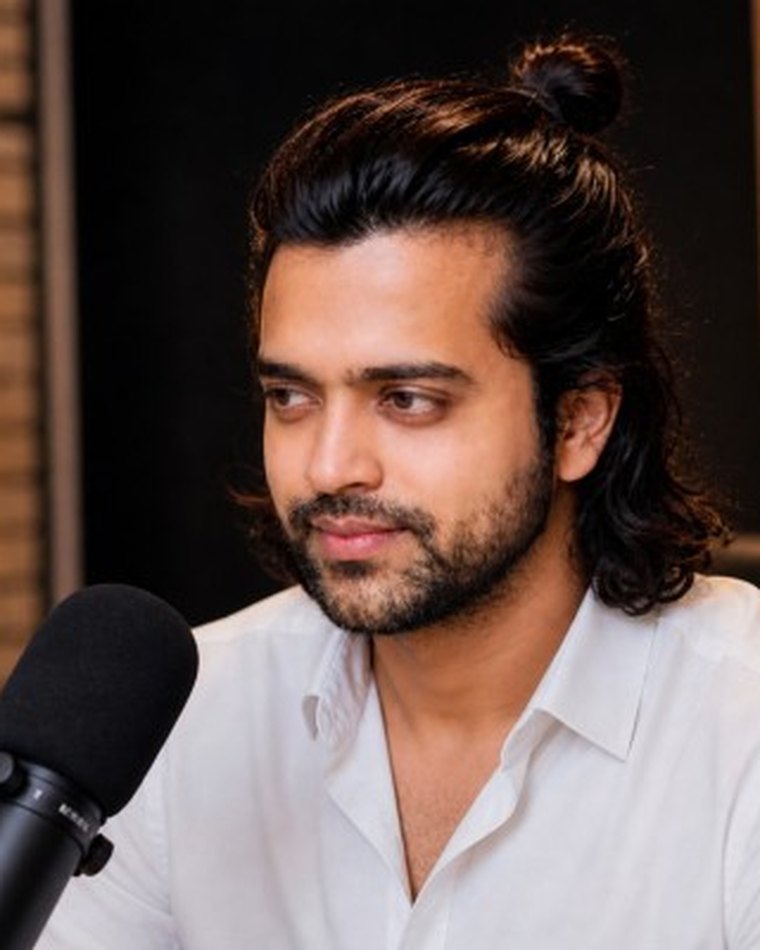
Meet me in 60 seconds
A quick intro: who I am, how I work, and what I would do for you.
- Contract · project · part-time · hourly
- Can start immediately
- Full-time
- 90-day notice period
Remote availability — USA, UK, India or any time zone, 24/7
Let's talk about your project
I am Sunny Guha. I work remotely from India with clients in any time zone, and you deal with me directly.